To enhance the lighting during your villa kitchen renovation, start by evaluating natural light availability and consider enlarging windows or adding skylights. Use layered lighting with ceiling fixtures for ambient light and under-cabinet lights for task efficiency. Add pendant lights over islands and tables for accent illumination. Incorporate smart lighting solutions like adjustable bulbs and voice controls for flexibility and energy efficiency. Enhance the atmosphere with warm white or soft yellow lights, and strategically place fixtures to highlight key features and work areas. If you explore more, you’ll find detailed strategies to transform your kitchen’s lighting effectively.

Assess Natural Light

Begin by evaluating how much natural light your villa kitchen currently receives throughout the day. Take note of the times when natural light is most abundant and identify any periods when the kitchen feels dim. This assessment will help you determine where improvements are needed. For more detailed guidance and smart home technology options, you can visit https://www.dxbrenovation.com/smart-home-technology-dubai-villa-kitchen-renovation/.

Consider the current window positioning. Are your windows placed in a way that maximizes sunlight? If not, you might think about relocating or enlarging them to allow more natural light to flood into the space. South-facing windows generally offer the most consistent light throughout the day, while east-facing ones provide bright morning light. Adjusting the window positioning can greatly enhance the overall brightness of your kitchen.

Another effective way to increase natural light is through skylight installation. Skylights can introduce a substantial amount of daylight, especially in areas where traditional windows aren’t an option. They’re perfect for kitchens with high ceilings or limited wall space. By strategically placing skylights, you can illuminate even the darkest corners of your kitchen, creating a more inviting and functional space.

Choose Layered Lighting

To create a well-lit kitchen, you should focus on layered lighting by combining ambient, task, and accent lighting.

Start with ambient lighting basics to guarantee overall illumination, then add task lighting to brighten work areas.

Ambient Lighting Basics

Choosing layered lighting for your villa kitchen creates a warm and inviting atmosphere while guaranteeing functionality. By understanding illumination principles and maintaining brightness balance, you can craft a space that’s both beautiful and practical.

Ambient lighting serves as the foundation, providing general illumination that fills the entire room. To achieve the perfect ambient lighting, consider these three essential elements:

  1. Ceiling Fixtures: Install ceiling-mounted fixtures like chandeliers or pendant lights to distribute light evenly across the kitchen. These fixtures create a central glow that sets the tone for the room.
  2. Recessed Lighting: Incorporate recessed lights in strategic spots to make sure no dark corners. These lights offer a subtle, yet effective way to enhance overall brightness without overwhelming the space.
  3. Wall Sconces: Add wall sconces to soften the ambiance and provide additional layers of light. They can be placed on either side of a focal point, such as a kitchen island or dining area, to guarantee balanced illumination.

Task Lighting Importance

Task lighting focuses on illuminating specific areas where precision and clarity are essential, such as countertops and cooking spaces. When you’re renovating your villa kitchen, you can’t overlook the importance of task lighting. It’s all about task placement. You need to make sure that lights are positioned directly above or near the areas where you’ll be chopping, mixing, and cooking. This gives you the lighting precision needed to perform these activities safely and efficiently.

For best task placement, consider under-cabinet lights that shine directly onto your countertops. These fixtures help eliminate shadows and offer a brighter workspace. Pendant lights are another great option for lighting precision. Hang them above kitchen islands or breakfast bars to provide focused light where you need it most.

Recessed lights can also be strategically placed to illuminate specific zones, giving you flexibility in your lighting design. When placing these lights, think about where you’ll be standing and working.

Proper task lighting not only enhances functionality but also boosts the overall atmosphere of your kitchen. By focusing on task lighting, you’ll create a space that’s both practical and inviting, making your villa kitchen renovation a resounding success.

Accent Lighting Ideas

While task lighting guarantees functional clarity, accent lighting adds depth and character to your villa kitchen by highlighting architectural features and décor elements.

Embracing a layered lighting approach allows you to create a versatile and inviting space that stands out.

Start by installing cabinet lighting to illuminate your kitchen countertops and showcase your beautiful cabinetry. LED strips can be placed under upper cabinets to cast a warm glow, making meal prep more pleasant while highlighting the texture and color of your backsplash.

Next, contemplate using pendant fixtures above key areas such as the kitchen island or dining table. These hanging lights not only provide focused illumination but also serve as striking decorative elements that enhance the overall aesthetic. Choose fixtures with a design that complements your kitchen’s style, whether it’s modern, rustic, or classic.

Lastly, don’t forget about accent lighting for your open shelves or glass-front cabinets. Small, recessed lights can be installed inside these spaces to highlight your stylish dishware or decorative pieces, adding a touch of elegance and sophistication.

Here are three accent lighting ideas to contemplate:

  1. Cabinet lighting for countertops.
  2. Pendant fixtures above islands or tables.
  3. Recessed lights for open shelves or glass-front cabinets.

Install Task Lighting

To enhance your kitchen’s functionality, install task lighting that focuses on specific work areas like countertops and the stove. Start by considering under cabinet fixtures. These lights are perfect for illuminating your countertops, making meal prep safer and more efficient. They eliminate shadows that overhead lights might cast, ensuring you have a clear view while chopping vegetables or reading recipes.

Another great option is pendant lights. These can be hung over islands or peninsulas, providing focused light where you need it most. Pendant lights not only serve a practical purpose but also add a stylish element to your kitchen decor. Choose fixtures that complement your overall design theme, whether it’s modern, rustic, or traditional.

Don’t forget about the stove area. Installing a range hood with built-in lighting can make a big difference. It helps you monitor your cooking more accurately, reducing the risk of burning your food.
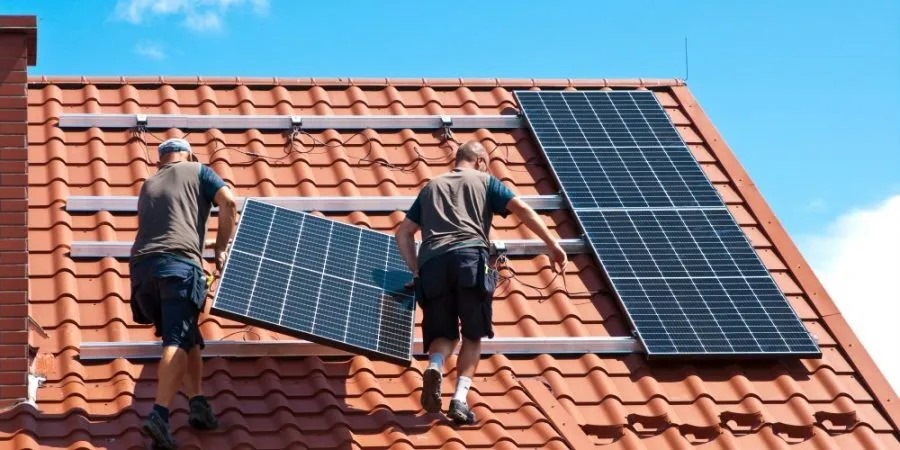
Installing solar panels on your house typically takes several weeks from start to finish. First, you’ll have an initial consultation to discuss energy needs and costs. Then, a site assessment will inspect your roof and analyze shading. After that, a custom system design takes place. The permitting process can take 1 to 4 weeks, depending on local regulations. On installation day, the crew efficiently mounts the panels. Finally, inspections and utility approvals take a few more days to complete. This might seem like a lot, but each step guarantees a successful solar panel setup. Keep going to understand each stage better!

Initial Consultation

Your first step in installing solar panels is scheduling an initial consultation with a reputable solar provider. During this meeting, you’ll discuss your energy requirements, which is essential for determining the right system for your home. The provider will gather information about your current electricity usage, which helps them calculate how much solar energy you’ll need to generate. If you reside in Dundee, it’s beneficial to look into experienced solar panel installers Dundee residents trust, as they can offer tailored insights and local expertise.

Additionally, you’ll receive detailed cost estimates. These estimates cover everything from the price of the solar panels themselves to installation fees and potential maintenance costs. Understanding the financial aspect upfront allows you to plan your budget effectively and explore any financing options or incentivesthat may be available.

It’s also a great opportunity to ask questions and clarify any concerns you might’ve about the installation process or the technology involved. The provider will explain how solar energy works, the benefits you can expect, and what kind of savings you’ll see on your electricity bills.

This initial consultation sets the stage for a successful solar panel installation by ensuring you’re well-informed and prepared for the next steps.

solar panel installers Dundee

Site Assessment

After the initial consultation, the next essential step is conducting a thorough site assessment to evaluate the suitability of your property for solar panel installation. This assessment guarantees that your home can support a solar energy system efficiently and safely. Here’s what you can expect during this phase:

  1. Roof Condition: An expert will inspect your roof’s condition to determine if it can hold the solar panels. They’ll look for signs of wear and tear, structural issues, and the age of the roofing materials. If your roof needs repairs or replacement, you’ll want to address that before moving forward.
  2. Shading Analysis: Proper sunlight exposure is important for solar panels to function at their best. A shading analysis involves checking for any obstructions like trees, chimneys, or nearby buildings that could cast shadows on your roof. The goal is to identify and mitigate potential shading issues to ensure maximum sunlight absorption.
  3. Orientation and Tilt: The angle and direction of your roof affect how much sunlight your panels can capture. The assessor will measure the tilt and orientation to determine the best placement for the panels. South-facing roofs usually offer the most efficient solar energy capture.

This site assessment phase typically takes a few hours to complete, but it’s essential for a successful solar installation.

System Design

Designing your solar energy system involves creating a detailed plan that guarantees peak performance and efficiency tailored to your specific needs. First, your installer will consider your energy consumption patterns. They’ll look at your past utility bills to estimate how much power you need and design a system that meets those requirements. Custom solutions are key here; every household has unique energy needs, roof configurations, and shading issues.

During the design phase, a multitude of factors come into play. Design considerations include the orientation and tilt of your roof, which affect how much sunlight your panels can capture. The installer will also evaluate the structural integrity of your roof to ensure it can support the weight of the panels. They may use advanced software to simulate the performance of different panel configurations and optimize the layout.

Additionally, they’ll plan the electrical setup, determining how to connect your new solar system to your existing wiring and the grid. This phase is essential for ensuring safety and compliance with local codes.

Permitting Process

Understanding the permitting process is essential to guarantee your solar panel installation complies with all local regulations and codes. You can’t just start installing solar panels without the proper permits, and navigating this process can initially seem challenging. However, breaking it down into manageable steps can make it much easier.

Firstly, you’ll need to gather the necessary application forms for your local building department. These forms will require detailed information about your proposed solar system, including design specs and site plans.

Secondly, you should be prepared to pay permit fees. These fees can vary widely depending on your location, so it’s a good idea to check with your local authorities to get a clear understanding of the costs involved.

Thirdly, submit your completed application forms and fees to the appropriate local agency. They’ll review your documents to make sure everything meets the required standards and codes. This review process can take anywhere from a few days to several weeks, depending on the complexity of your project and the efficiency of your local permitting office.

Installation Day

On installation day, you’ll see the crew arrive early to set up their equipment and prepare your roof.

They’ll start by securely mounting the solar panels, ensuring everything is aligned correctly.

This process is efficient and well-coordinated, reflecting the professionalism of the installation team.

Arrival and Setup

As the installation team arrives, excitement and anticipation fill the air. You’ve been looking forward to this day, and now it’s finally here. The crew quickly gets to work, demonstrating their efficiency and expertise. Their first task is managing the crew logistics, guaranteeing everyone knows their role and what’s expected.

Next, they begin the equipment unloading process. This involves carefully removing the solar panels and other necessary components from their transport. They do so with precision to avoid any damage and to make certain everything is in order for the installation. You’ll notice them checking each item off an inventory list, confirming that nothing is missing.

Here’s a brief rundown of what happens during the arrival and setup phase:

  1. Crew Logistics: The team gathers to discuss roles and tasks for a smooth workflow.
  2. Equipment Unloading: Solar panels, inverters, and mounting hardware are carefully unloaded and checked.
  3. Site Preparation: The crew ensures your roof and surrounding area are ready for the installation.

Panel Mounting Process

Once the setup is complete, the crew starts the panel mounting process by installing the racking system on your roof. This system is the backbone that supports your solar panels. First, they’ll assess your roof’s condition to make sure it’s ready for installation. Roof preparation might involve minor repairs or adjustments to ensure it can handle the mounting hardware.

Next, they’ll carefully measure and mark the spots where the racking system will be attached. Precision is vital here to guarantee ideal alignment and stability. Using specialized mounting hardware, the crew will secure the racking system to your roof, ensuring it’s firmly anchored and level.

After the racking system is in place, the actual solar panels are then mounted onto this framework. The team will handle each panel with care, connecting them to the racking system using bolts and clamps. They’ll make sure each panel is securely fastened and properly aligned for maximum exposure to sunlight.

Throughout the panel mounting process, safety protocols are strictly followed to prevent any damage to your roof or the panels. By the end of this phase, the racking system and panels are securely in place, ready for the next steps in your solar installation.