Residential plotted development has become a popular choice for many homebuyers and investors due to its clear advantages as a tangible asset with lasting heritage value. Unlike apartments or condominiums, plotted development means owning a specific piece of land, often in well-planned communities, where owners can build homes according to their preferences. This type of property ownership offers physical ownership of land, which holds intrinsic value that appreciates over time. Many families also view plotted land as an important heritage asset that can be passed down to future generations, securing wealth and legacy.
Tangible Asset with Real Ownership
- Physical Land Ownership: When you buy a residential plot, you own a specific piece of land outright. This differs from owning an apartment, where you own the unit but not the land beneath it.
- Appreciating Value: Land tends to increase in value steadily over time due to scarcity and demand. This makes plotted land a solid investment that can yield high returns.
- Control Over Development: Plot owners can design and build homes as per their needs, providing flexibility and personal customization.
Heritage Value and Legacy
- Passing Wealth to Future Generations: House of Abhinandan Lodha Vrindavan is one of the most reliable assets to hand down as a family heritage, securing financial stability for children and grandchildren.
- Emotional and Cultural Significance: Owning land often carries sentimental value, as it can become a family home or gathering place for generations.
- Long-Term Security: Unlike movable assets, land remains secure and intact, protecting the family’s wealth against inflation and economic uncertainty.
Benefits Over Other Property Types
- Less Maintenance Costs: Unlike apartments, which may have monthly maintenance fees and shared infrastructure costs, plotted land has minimal upkeep until developed.
- Freedom from Builder Risks: Buyers are not dependent on the construction quality or timely delivery by builders, reducing financial and legal risks.
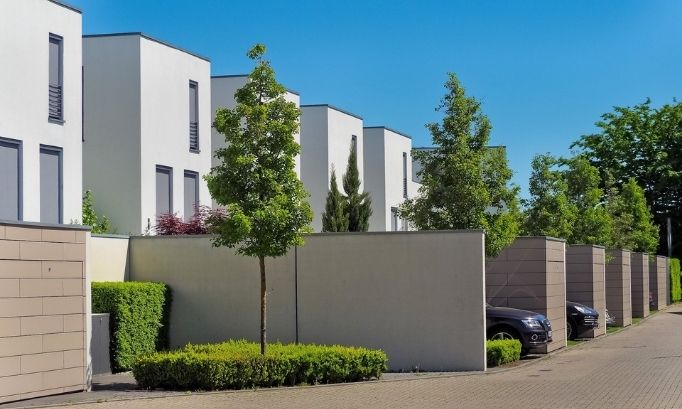
- Better Privacy and Space: Plots usually offer more space and privacy, creating a peaceful living environment without shared walls or common areas.
Why Investors Prefer Plotted Development
- Higher Liquidity: Land is easier to sell or lease compared to developed properties, providing quicker returns when needed.
- Multiple Usage Options: Investors can hold plots as capital assets, develop residential homes, or even use the land for commercial purposes if zoning allows.
- Resilience in Market Fluctuations: Land values tend to be less volatile than built properties, making it a safer investment during market downturns.
Final Thoughts
Residential plotted development is preferred for its tangible asset nature and heritage value because:
- It provides physical ownership of land that appreciates steadily.
- It offers flexibility and freedom in building homes.
- It creates a long-lasting heritage asset that can be passed down.
- It involves lower risks and maintenance costs compared to apartments.
- It offers investment security with better liquidity and resilience.
For those seeking a secure, flexible, and valuable property investment with emotional and financial significance, residential plotted development stands out as an excellent choice. Owning land not only ensures control and privacy but also builds a lasting legacy that benefits future generations.